- English
- Español
- Português
- русский
- Français
- 日本語
- Deutsch
- tiếng Việt
- Italiano
- Nederlands
- ภาษาไทย
- Polski
- 한국어
- Svenska
- magyar
- Malay
- বাংলা ভাষার
- Dansk
- Suomi
- हिन्दी
- Pilipino
- Türkçe
- Gaeilge
- العربية
- Indonesia
- Norsk
- تمل
- český
- ελληνικά
- український
- Javanese
- فارسی
- தமிழ்
- తెలుగు
- नेपाली
- Burmese
- български
- ລາວ
- Latine
- Қазақша
- Euskal
- Azərbaycan
- Slovenský jazyk
- Македонски
- Lietuvos
- Eesti Keel
- Română
- Slovenski
- मराठी
- Srpski језик
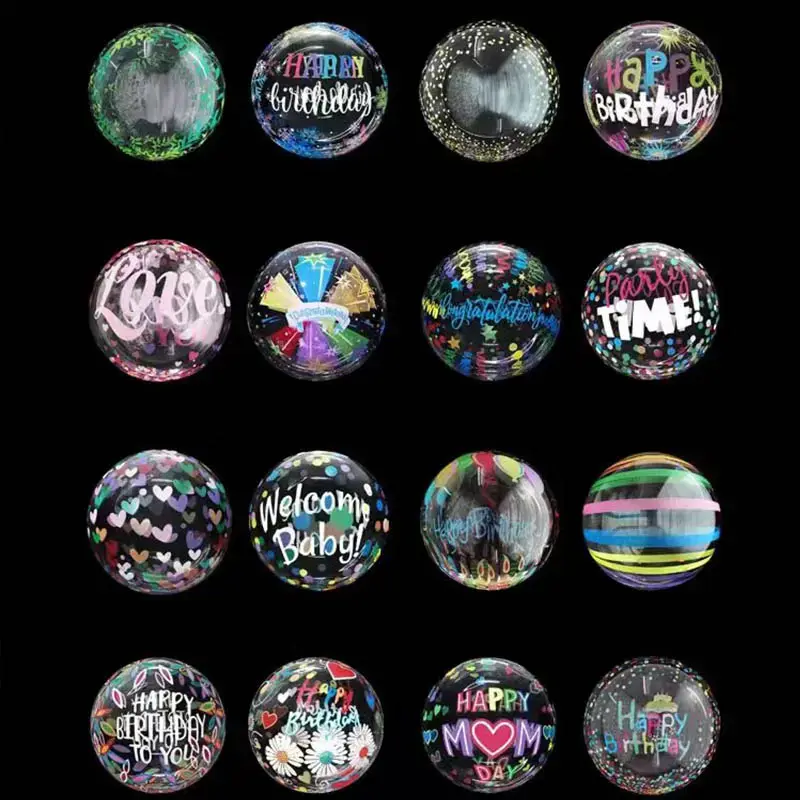
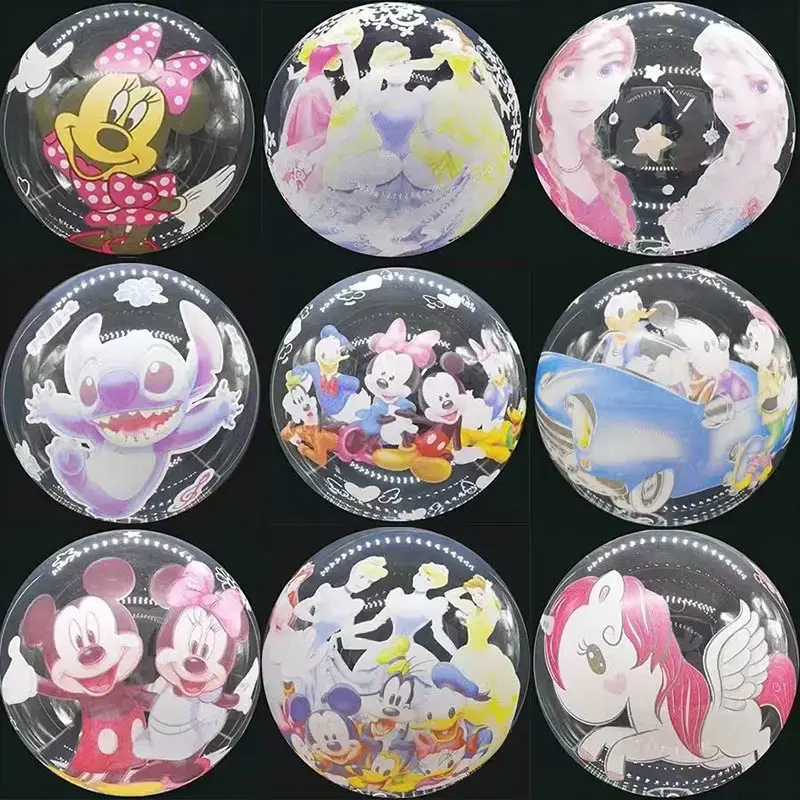
透明 TPU 上のボボ バルーン プリントの視認性
Borun Balloon Factory は、さまざまな背景、照明、表示距離の下で、透明な TPU ボボ バルーン上で印刷されたアートワークがどのように動作するかを説明します。このガイドでは、インクのコントラスト、印刷範囲、読みやすさ、サンプルの承認、およびカスタム Bobo バルーン注文の卸売生産要件について説明します。
お問い合わせを送信
製品説明
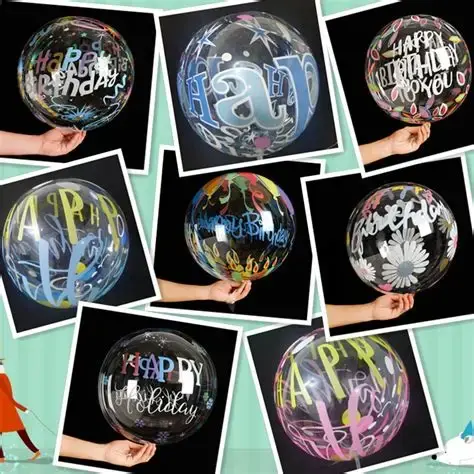
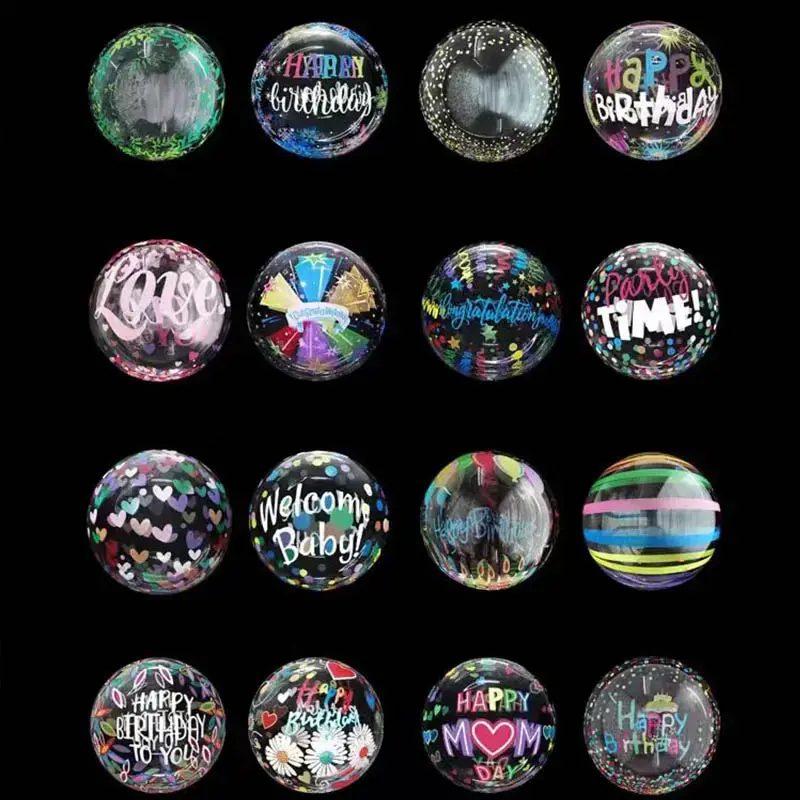
Print visibility on a transparent Bobo balloon is a product-display issue, not just a printing issue. Because the balloon body is made from transparent TPU, the logo or graphic is seen together with the background behind the balloon. Lighting, viewing distance, ink contrast and the amount of printed area can therefore change the way the same artwork is perceived.
For wholesale buyers, this matters when a printed Bobo balloon is intended for retail display, branded events, promotional campaigns or photography. A logo that looks strong on a flat artwork file may become less readable when the inflated balloon is placed against a different background.
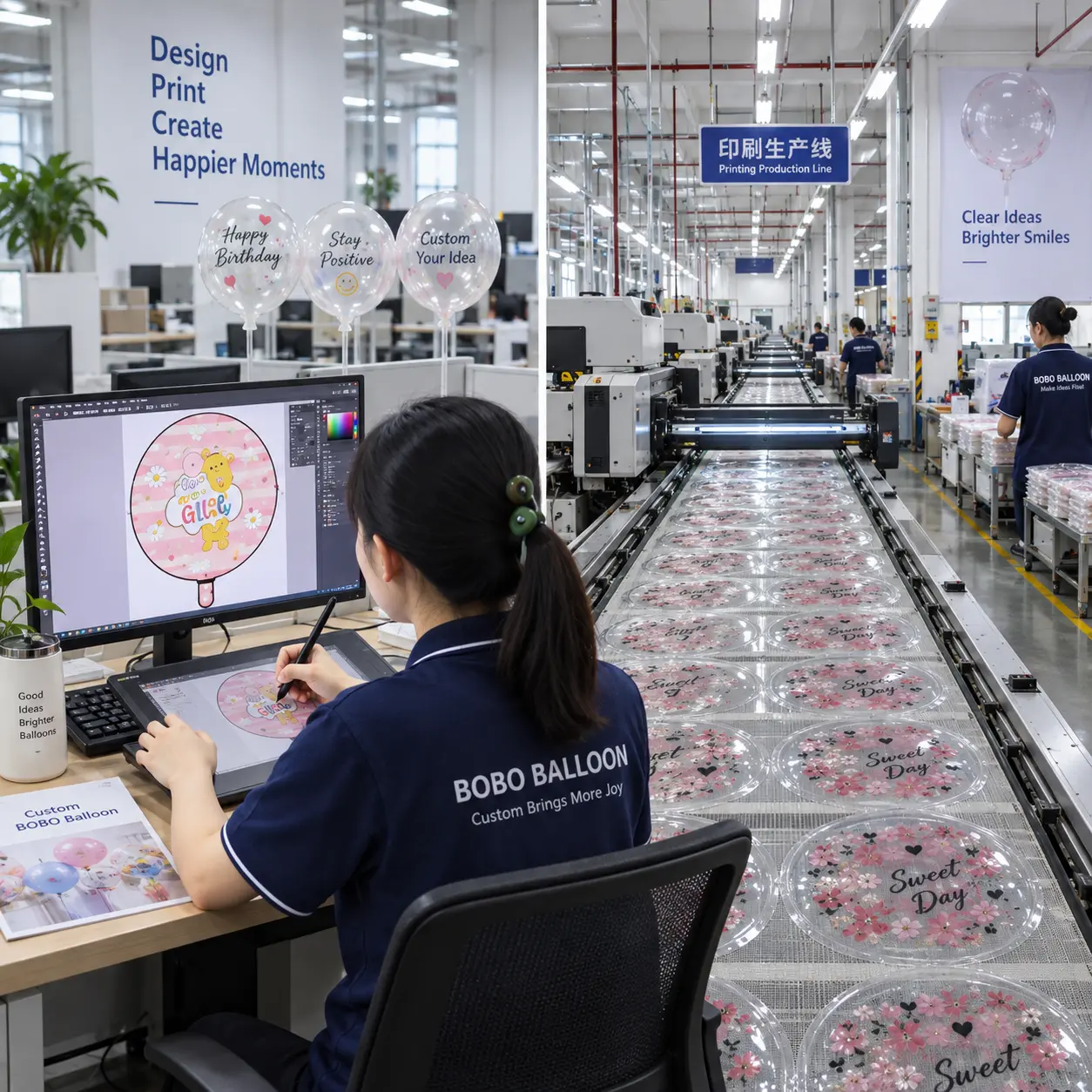
Borun Balloon Factory uses actual Bobo balloon samples during artwork and pre-production review so buyers can evaluate the intended visual result before a custom order moves into bulk manufacturing.
This page sits within our custom printed balloon manufacturing range and focuses specifically on print visibility on transparent Bobo balloons.
Premium TPU Transparent Bobo balloon surface
1–2 Sides Single- or double-side printing
Up to 6 Print colors for suitable projects
Sample Review Visibility checked before bulk production
5,000 pcs Standard custom printing MOQ per design
5–15 Days Standard production lead time
Background Light, dark or colored display environment
20+ Years Balloon manufacturing experience
The decision buyers should make before approval
Before approving the final artwork, define where the balloon will be displayed, what will sit behind it, how far away viewers will be, and which part of the artwork must remain readable first. Those four answers are more useful than judging the logo from a screen preview alone.
Why Transparent TPU Changes Print Visibility
A clear Bobo balloon behaves differently from an opaque latex or foil balloon because the balloon body does not provide a solid background behind the printed artwork. Light can pass through the transparent TPU, so the printed area is visually influenced by what is behind the balloon.
This is why a printed logo can appear stronger in one environment and softer in another even when the artwork and printing specification have not changed. For B2B buyers, the intended display environment should therefore be considered during the artwork review stage.
Surface
Transparent TPU
The clear balloon body allows the surrounding visual environment to influence how the printed artwork is perceived.
Contrast
Ink vs Background
Visibility depends on the difference between the printed color and the background behind the transparent balloon.
Display
Real-World Viewing
Lighting, distance and viewing angle can change the perceived strength of text, logos and graphic details.
Background Is the First Visibility Variable to Check
The same printed Bobo balloon can produce different visual results against white, black, colored or patterned surroundings. The right ink is therefore not selected in isolation; it is selected in relation to the environment in which the finished product will be seen.
Light Background
White and Pastel Settings
Darker and more saturated inks generally create stronger separation. Pale inks and fine-line graphics can become less distinct when their value is close to the background.
Dark Background
Black and Deep Tones
Light and dark ink colors can both create usable contrast, depending on the graphic. The main concern is preserving enough separation for the key logo or message.
Colored Background
Branded or Patterned Settings
Visibility depends on the relationship between the ink hue and the background hue. Similar colors can visually merge, while stronger contrast makes the printed element easier to recognize.
What a Buyer Should Tell the Factory
Instead of simply specifying “make the logo visible,” provide a reference for the actual display setting whenever possible. A photo of the shelf, event backdrop, retail packaging or promotional setup can be more useful than a verbal description.
Useful display information for artwork review
- Primary background color or display image
- Expected indoor or outdoor lighting condition
- Main viewing distance
- Whether the balloon will be photographed or viewed mainly in person
- The logo or graphic element that must remain most visible
Viewing Distance Changes What People Actually Read
A print can be technically clear while still being commercially ineffective if important details disappear at the distance where customers actually see the balloon.
Close Range
Fine details, small text and secondary graphic elements are easier to recognize when the viewer is close to the balloon.
Retail Distance
Shoppers usually notice the overall logo shape, main colors and larger text before smaller details.
Event Distance
At greater distance, strong shapes and contrast carry more of the communication while fine details become less important.
Photography
Camera angle, backdrop and lighting can make certain colors or details appear more prominent than they do during normal viewing.
Design for the first thing the viewer needs to recognize
For a company logo, that may be the brand mark. For an event message, it may be the event name. For a retail product, it may be the product identity. The printed design should prioritize that element before secondary details.
Ink Contrast and Print Coverage Work Together
Print visibility depends on both the strength of the ink against its background and how much of the transparent balloon is covered by the design. Increasing coverage can make the graphic more dominant, but it also changes the amount of visible transparency.
| Print Direction | Visual Effect | Buyer Consideration |
|---|---|---|
| High contrast + low coverage | Small, defined graphic with substantial clear balloon area around it | Useful when the buyer wants the balloon to remain visually light and transparent |
| High contrast + high coverage | Stronger printed presence with less transparent area around the design | Useful when the branding must remain prominent at greater viewing distance |
| Low contrast + low coverage | Soft and understated appearance | Needs careful review when readability is commercially important |
| Low contrast + high coverage | Larger printed area without necessarily creating stronger visual separation | Should be reviewed against the intended background before approval |
The goal is not to maximize ink coverage on every project. The goal is to find the point where the artwork communicates clearly while preserving the visual character the buyer wants from a transparent Bobo balloon.
Print Visibility and One-Side or Two-Side Printing
Custom Bobo balloons support single-side or double-side printing, with a maximum of 2 printed sides. The number of printed sides changes the way the balloon communicates when viewed from different directions.
1 Side
Focused Front-Facing Communication
A single printed side works well when the balloon has a clear presentation direction. The main logo or message can be optimized for the position most likely to face the customer or audience.
2 Sides
Visibility from More Directions
Two-sided printing can provide branding from different viewing angles. Both sides should be planned together so neither side appears accidental or visually disconnected from the other.
The exact placement of each side belongs to the artwork and print-position specification. Buyers who need a deeper explanation of layout placement can use the dedicated Bobo balloon print position guide .
How Artwork Scale Affects Visibility on the Balloon
A larger balloon does not automatically make a small logo easier to see. What matters is the relationship between the artwork size, available print area and the intended viewing distance.
Small Logo
Can create a restrained branded appearance, but the logo may lose impact when the balloon is viewed from farther away.
Balanced Logo
Gives the brand mark enough visual weight while leaving transparent space around it so the balloon does not feel overcrowded.
Large Graphic
Improves visual dominance and distance readability, but increases print coverage and can reduce the visual role of the clear TPU surface.
If the balloon size itself has not yet been selected, review the Bobo balloon sizes and specifications before finalizing artwork scale and visibility expectations.
Print Visibility Depends on More Than Color
Ink Contrast
Stronger separation between artwork and background generally makes the main graphic easier to identify.
Print Coverage
Coverage changes both visual prominence and the amount of transparent balloon that remains visible.
Artwork Detail
Tiny text and very fine lines can become less useful when the balloon is viewed from farther away.
Viewing Angle
The curved balloon surface means the appearance can change when the viewer is no longer looking directly at the main printed area.
How Borun Reviews Print Visibility Before Production
The purpose of a visibility review is to reduce uncertainty before the buyer commits to bulk production. The factory does not need the buyer to solve every technical variable in advance; it needs enough information to reproduce the intended visual result and identify possible problems before production starts.
1
Send Artwork
Provide the logo or graphic together with the intended balloon specification and display information.
2
Review Visibility
Check background, ink contrast, print coverage, artwork detail and intended viewing conditions.
3
Proof or Sample
Review a digital proof or pre-production sample on the selected Bobo balloon format.
4
Approve Result
Confirm the appearance, readability and balance against the intended display condition.
5
Release Production
Bulk production begins after the artwork and production specification are formally approved.
Visibility review checklist
- Intended background
- Lighting condition
- Main viewing distance
- Primary logo or message
- Ink contrast
- Print coverage
- Artwork scale
- One-side or two-side layout
- Proof or pre-production sample requirement
The broader production method is handled separately. Buyers comparing screen and digital printing can review custom Bobo balloon printing after the visibility requirement has been established.
What Can Reduce Print Visibility?
Light Ink on a Light Background
Similar visual values can make the logo blend into the surroundings, especially when the artwork is small.
Fine Detail at Long Distance
Small text and thin lines can lose practical readability even when the same details remain visible at close range.
Too Little Print Coverage
A minimal printed area can look elegant, but it may not create enough visual weight for a distant display.
Unplanned Background
A logo designed for a plain backdrop may behave differently when the finished balloon is placed over a patterned or branded background.
These are design and presentation issues, not necessarily manufacturing defects. They are best addressed during artwork review, when changes are still inexpensive compared with changing a finished bulk order.
Visibility and the Final Product Presentation
Retail
Packaging, shelf surroundings and the amount of exposed balloon surface all influence which part of the printed design the customer notices first.
Corporate and Promotional Events
Event lighting, viewing distance and the movement of guests make contrast and large visual elements more important than tiny details.
Photography and Social Content
Camera angle, backdrop and lighting should be considered when the printed Bobo balloon is intended to appear in promotional photography.
Think about the finished scene, not only the finished balloon
Buyers often evaluate artwork while it is still isolated on a white computer screen. A better commercial decision is to picture the balloon in the environment where the customer will actually encounter it.
First-Party Manufacturing and Quality Review
From a factory perspective, print visibility is one part of the complete production specification. Artwork, print coverage, print position, printing method, transparency and packaging need to remain aligned with the version that the buyer approved.
Artwork and Production Review
Borun reviews the submitted artwork and confirms the practical printing requirements before the order is released for bulk production.
Sample-Based Confirmation
For projects where visual appearance is important, pre-production samples can be used to review the actual product rather than relying only on a flat digital mockup.
Production Consistency
The approved artwork and production specification provide the reference for manufacturing and inspection throughout the order.
Repeat-Order Reference
Approved artwork and production specifications can serve as the reference for future orders, helping repeat buyers maintain continuity in their branded product line.
Borun Balloon Factory has more than 20 years of balloon manufacturing experience and supplies customers in more than 30 countries. The factory supports custom Bobo balloon printing with up to 6 colors and up to 2 printed sides.
Compliance Documentation for Custom Bobo Balloons
Compliance requirements depend on the destination market, intended use and product category. Buyers supplying retail channels or regulated markets should confirm their documentation requirements during the quotation stage.
Available Testing Documentation
Borun has relevant CPC, CE, EN 71-1, EN 71-2, EN 71-3 and EN 71-12 testing documentation and can provide EU-DOC documentation for applicable products and market requirements.
Confirm Requirements Early
Marketplace, retail, customs and destination-market requirements should be provided during the quotation process so the applicable documentation can be addressed before shipment.
Send Your Artwork for a Bobo Balloon Visibility Review
Have a branded Bobo balloon project in development? Send the actual artwork together with the preferred balloon specification, intended display background, viewing condition and quantity. Borun Balloon Factory can review the visibility requirement and confirm the practical production specification before you commit to the bulk order.
MOQ, Production Lead Time and Custom Ordering
For custom printed Bobo balloon orders, the standard MOQ is 5,000 pieces per design. Standard production lead time is generally 5–15 working days after artwork, balloon specifications and production details are confirmed.
| Project Item | Standard Direction | Confirmed Before Production |
|---|---|---|
| MOQ | 5,000 pcs per design | Quantity and number of designs |
| Print Colors | Up to 6 colors for suitable projects | Artwork and final printing specification |
| Print Sides | 1–2 sides | Artwork layout for each printed side |
| Printing Method | Screen or digital printing | Recommended after artwork review |
| Visibility Review | Background and display condition reviewed | Approved before bulk production |
| Lead Time | 5–15 working days | Starts after artwork and specifications are confirmed |
How to Prepare a Visibility-Focused Inquiry
The most useful inquiry is not necessarily the longest one. It is the one that gives the factory enough context to understand how the finished balloon is expected to look and where the commercial priority lies.
Include these details when contacting Borun
- Logo or artwork file: AI, EPS, outlined PDF, PNG or JPG
- Preferred Bobo balloon specification
- Expected quantity and number of designs
- Intended background or display environment
- Approximate viewing distance
- Lighting condition where known
- Preferred ink colors or Pantone references where applicable
- Expected print coverage
- Single-side or double-side printing requirement
- Retail, event, promotional or photography application
- Packaging or private-label requirements
- Target delivery location and expected timing
Custom Bobo Balloon Print Visibility FAQ
What affects print visibility on a transparent Bobo balloon?
Print visibility depends on ink contrast, print coverage, background, lighting, viewing distance, artwork detail and the angle from which the balloon is viewed.
Why does the background change how a Bobo balloon logo looks?
The Bobo balloon uses transparent TPU, so the printed artwork is seen together with the background behind the balloon. Different background colors can change the perceived contrast of the printed design.
Which ink colors generally provide stronger visibility?
Darker or more saturated inks generally create stronger separation on light backgrounds. The best choice still depends on the actual background, artwork and intended presentation.
Does print coverage affect how visible the logo is?
Yes. Higher print coverage generally makes the graphic more visually dominant, while lower coverage preserves more of the transparent balloon appearance. The right balance depends on the intended presentation.
Does viewing distance affect print readability?
Yes. Small text and fine lines that appear readable at close range can become difficult to recognize from retail or event distances. Artwork should be reviewed at the intended display distance whenever possible.
Can Bobo balloons be printed on both sides?
Yes. Bobo balloons support single-side or double-side printing, with a maximum of 2 printed sides for suitable projects.
Can print visibility be checked before bulk production?
Yes. A digital proof or pre-production sample can be reviewed so the buyer can evaluate the artwork, contrast, coverage and overall visual result before bulk production.
What artwork file should I send for a visibility review?
AI, EPS and outlined PDF vector files are preferred. High-resolution JPG or PNG files can also be reviewed when vector artwork is not available.
What is the MOQ for custom printed Bobo balloons?
The standard MOQ is 5,000 pieces per design for custom printed Bobo balloon orders.
How long does custom printed Bobo balloon production take?
Standard production lead time is 5–15 working days after artwork, balloon specifications and production details are confirmed.
For transparent Bobo balloons, print visibility is best evaluated as part of the finished display: artwork, ink contrast, print coverage, background, lighting, viewing distance and balloon format all contribute to the result. Borun Balloon Factory supports this review before custom wholesale production begins.
関連カテゴリー
お問い合わせを送信
下記フォームよりお気軽にお問い合わせください。 24時間以内に返信いたします。